
People usually misunderstand what makes an outfit look expensive because they start from the wrong visual category.
They imagine polish. They imagine dressiness. They imagine a woman who has clearly spent time making sure every sign of quality is legible from across the room. The shoe is too pristine. The bag is too announced. The jewelry is too carefully distributed. The whole outfit is working too visibly toward one conclusion.
That conclusion is usually weaker than the wearer hoped. The outfit reads expensive in theory but strained in practice, like someone trying very hard to prove fluency in a language she does not yet speak naturally.
The stronger version works differently. It is quieter, cooler, and more reduced than that. What reads as expensive here is resolution. The line feels decided. The fabric carries itself. Nothing is pleading for attention. The outfit does not look underdone. It looks uninterested in performing the usual signs of effort.
The strange part is where this effect actually shows up most clearly. Not always at fashion week or in carefully lit editorials. Sometimes it is someone stepping out of a completely unremarkable building in a completely unremarkable neighborhood, in grey slacks, a button-down with the sleeves sitting right, and a pair of shoes worn soft enough that they have stopped being a purchase and started being a possession, and still reading as the most put-together person on the block. The clothes may not even be especially expensive. What matters is that every remaining choice looks finished.
That is why the most convincing version of expensive dressing so often overlaps with off-duty style, 90s minimalism, and the sharper end of 90s street style. All three rely on the same underlying mechanism: fewer visible decisions, stronger remaining ones.
Looking Expensive Starts With Not Trying To Prove It
Most outfits that are trying to look expensive fail for the same reason most status performances fail. They become overeager.
Everything pushes in the same direction. The coat wants to be rich. The bag wants to be rich. The heel wants to be rich. The sunglasses want to be rich. Instead of reading as ease around quality, the outfit starts reading as an argument about quality. It becomes persuasive in the wrong way, the way a job applicant becomes less convincing the more they insist on their qualifications.
The outfits that actually land tend to remove that pressure. They do not look random, but they also do not look as if every element was assembled to win a case in court. A black crewneck, straight trousers, flat shoes, one bag with enough structure to matter, and then nothing else. The effect feels stronger precisely because the outfit has stopped insisting on itself.
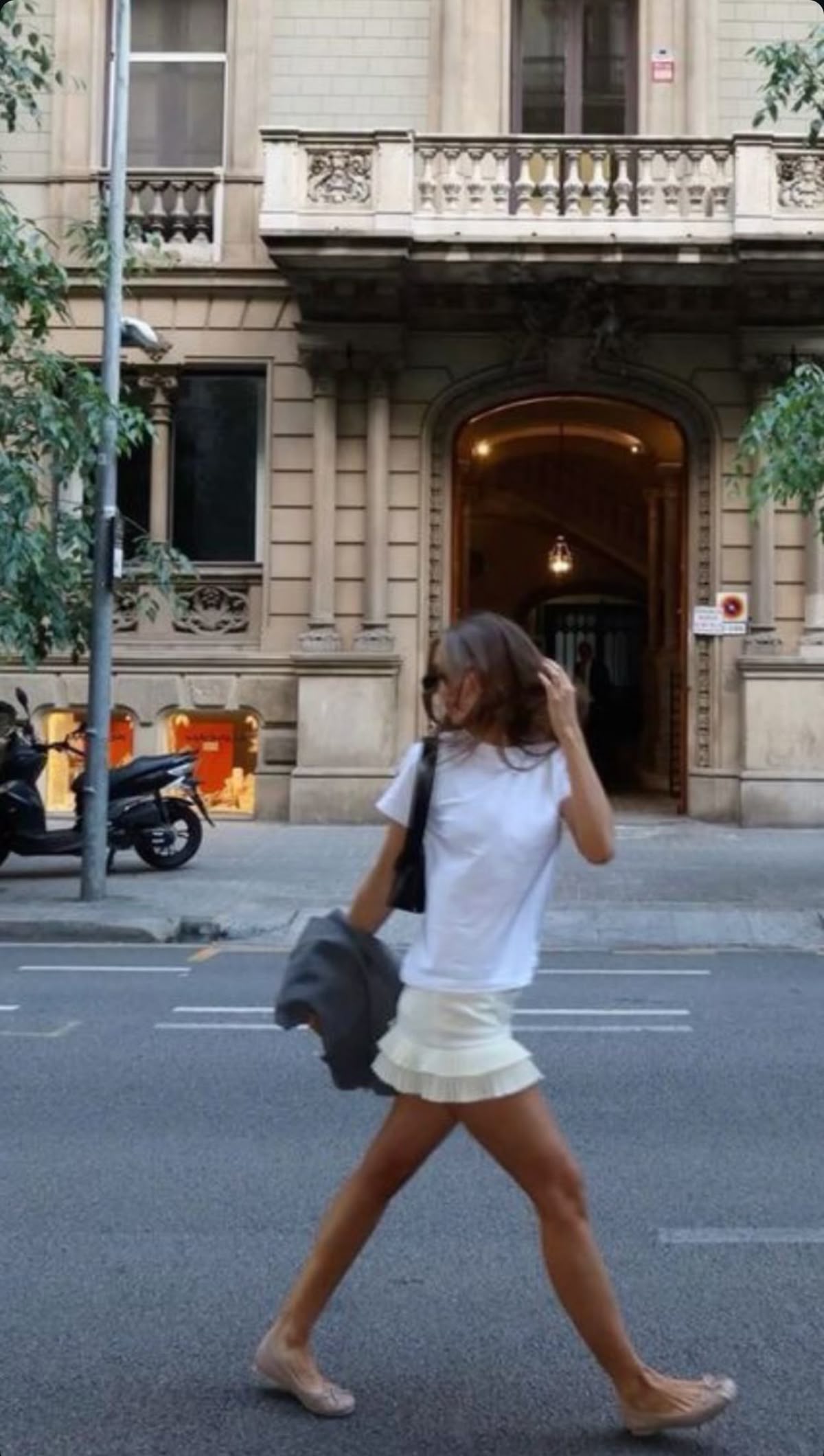
There is a reason the best-dressed person at any given dinner party is rarely the one wearing the most obviously expensive clothes. They are the one whose clothes seem to belong to them rather than to an occasion. The difference comes down to conviction, not cost.
This is one of the reasons the off-duty model look still works so well as a reference point. It suggests comfort around good taste rather than anxiety about signaling it. The outfit arrives already settled. It does not need the room to confirm anything.
The Line Has To Feel Resolved
Simple outfits rise or fall on whether the silhouette seems fully decided before accessories ever get involved.
That is the first difference between plain and expensive-looking. Plain outfits often feel visually unfinished. The trouser sits in a vague middle register, neither sharp nor relaxed enough to read as intentional. The jacket does not quite commit to a proportion. The knit does not hold a shape. The eye keeps searching for a dominant decision and never quite finds one.
The better outfits resolve that problem early. The line is clean. The volume relationships are settled. One piece is carrying the structure and the others are supporting it instead of competing.
Think of how differently the same white shirt reads depending on proportion alone. Tucked into a high-waisted trouser with a clean break at the shoe, it looks decisive. Half-tucked into something mid-rise with a hem that ends at the wrong point on the hip, it looks uncertain. The shirt did not change. The line did.
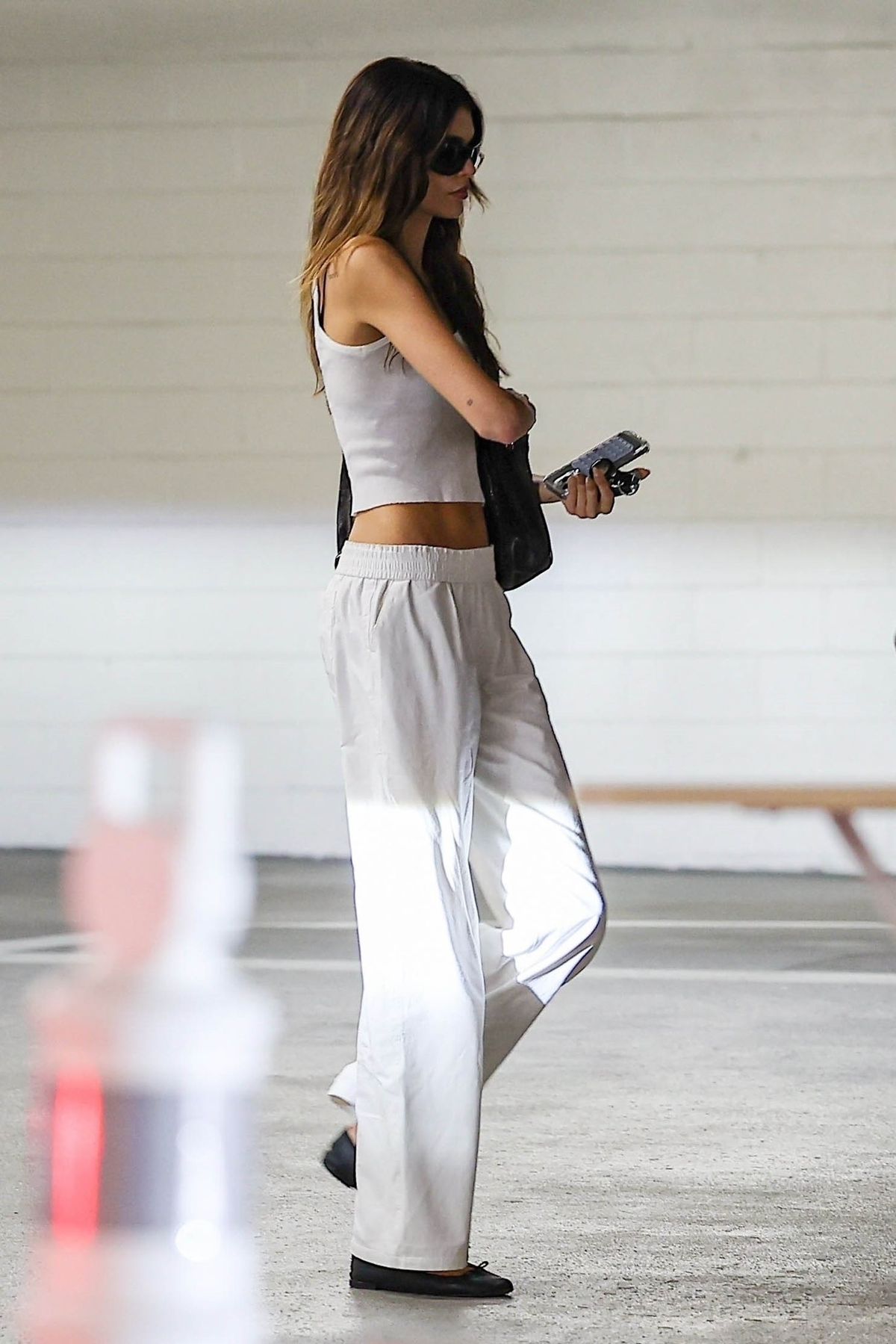
Phoebe Philo's Celine understood this better than almost anyone in the last two decades. The clothes were simple enough that you could describe most of them in four words or fewer, wide trouser, knit top, flat shoe, but the proportions were so precisely calibrated that the result felt expensive before you ever checked a label. The lesson was that silhouette is not neutral. It is the first judgment the eye makes, and simple clothes make it the loudest one.
This is also why so much expensive-looking dressing ends up surprisingly simple in inventory terms. Once the silhouette is right, there is less need to decorate around it. The line is already doing the work.
Fabric Has To Carry More Than The Styling
When an outfit uses fewer elements, fabric stops being background and starts carrying the argument.
A simple outfit in weak fabric does not read discreet. It reads underpowered. Cheap cotton flattens the shirt. A thin knit loses whatever authority it had by noon. A trouser without enough body lets the line sag at the knee and the whole shape drifts into something apologetic. The outfit may still be tasteful, but it will not generate that unusually calm, expensive effect.
The stronger version works because the material is doing more than one job. It covers the body, holds the shape, controls the drape, and gives the outfit enough physical presence that you do not need five other things trying to help.
This is something Jil Sander built an entire design philosophy around. A single matte wool coat that holds its crease without turning stiff. A cashmere knit heavy enough to fall in a clean vertical instead of clinging. Gabardine with enough weight to let a trouser break properly over the shoe. These fabrics did not announce themselves. They made the clothes look right from twenty feet away, which is exactly the distance where expensive starts.
You can feel this principle working even in inexpensive clothes. A heavy cotton oxford that has been washed forty times and still holds its collar reads better than a brand-new shirt in cheap poplin that wrinkles the moment you sit down. A pair of old leather shoes that have softened into the foot's shape instead of fighting it carry a line that something fresh off a rack cannot. Cost helps. What really matters is whether the fabric has enough conviction to stand on its own once everything decorative has been removed.
The 90s minimalism piece covers this territory in depth. Once the noise is gone, the cloth has nowhere to hide. Expensive-looking ease depends on that same standard, even when the outfit is more casual than archival minimalism ever was.
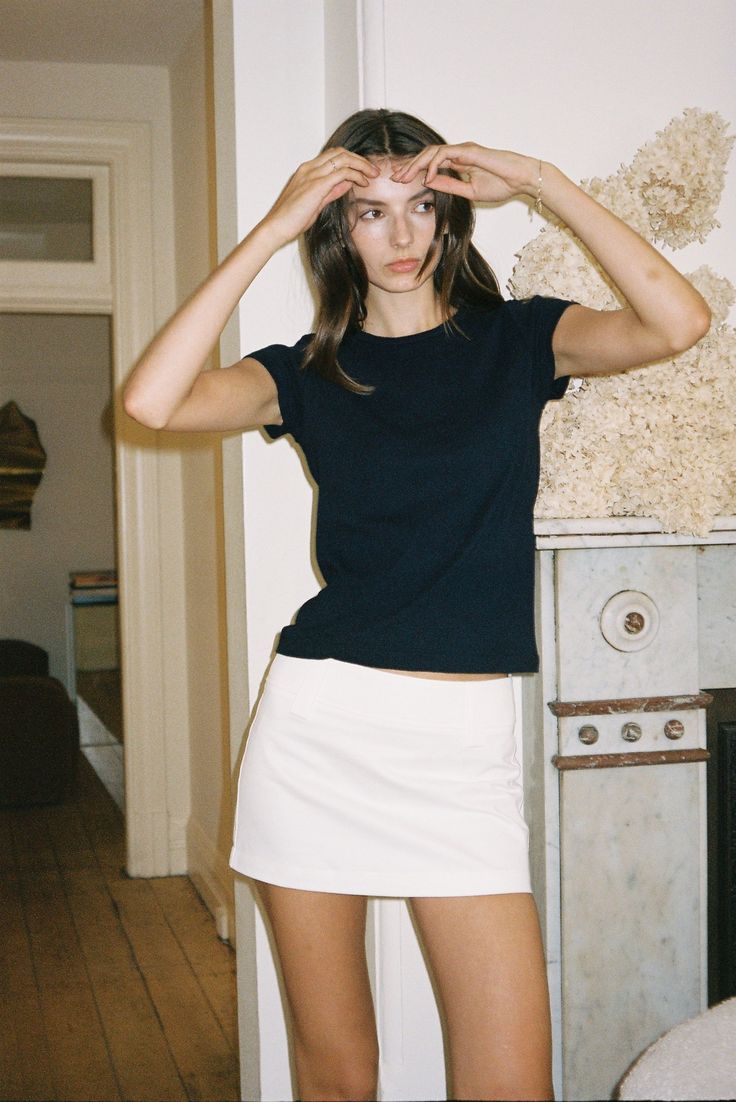
Restraint Reads More Expensive Than Decoration
One of the most reliable visual shortcuts to cheapness is over-explanation.
Too much jewelry. Too much contrast. Too many coded luxury details trying to say the same thing at once. Even expensive items start cancelling each other out when every piece is trying to declare taste independently. It is the outfit equivalent of using three adjectives where one would have been sharper.
Restraint fixes that by changing what the viewer has to process. Instead of asking someone to evaluate ten signals and average them into an impression, the outfit asks them to register one or two strong ones. A clean coat line. A trouser that falls correctly. A dense knit that holds its shape. A bag that looks chosen but not staged. The result feels more expensive because there is less visible negotiation happening on the body.
Carolyn Bessette-Kennedy's most photographed moments are almost all demonstrations of this principle. Black coat, dark trouser, flat shoe, one bag, and then nothing else competing for the frame. The clothes were not inexpensive, but the reason those images still circulate has less to do with what she spent and more to do with what she refused to add. Each outfit felt like a sentence where every unnecessary word had already been cut.
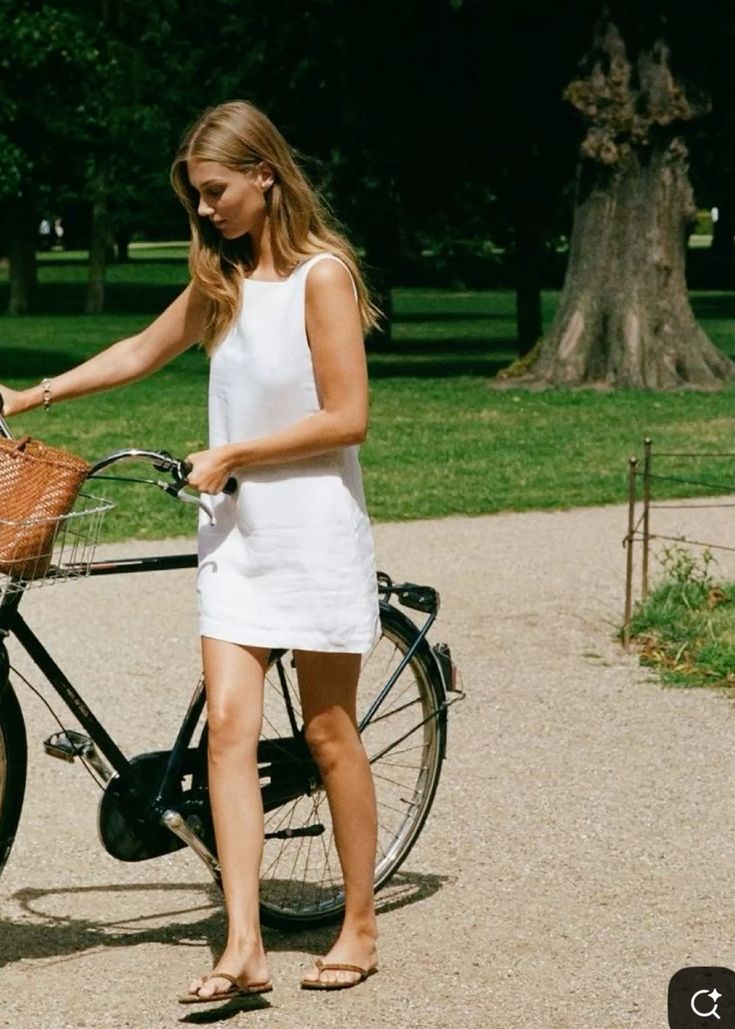
Decoration can still work. It is simply a weaker route to this particular effect. If the goal is to look expensive without looking dressed up, reduction is doing more of the heavy lifting than embellishment ever will.
The Outfit Cannot Look Over-Managed
This is the part people usually feel before they can explain it.
Some outfits are tasteful, even attractive, and still fail to read expensive because they look over-managed. You can see the effort too clearly. The accessories feel distributed rather than needed. The shoe feels selected for the photo rather than the life around it. The look seems optimized instead of inhabited.
The more convincing version always leaves a little more air in the system. The shirt is good but not theatrical. The bag is strong but not desperate to be seen. The shoe belongs to someone who actually walks. The outfit gives the impression that it would survive the day even if nobody photographed it.
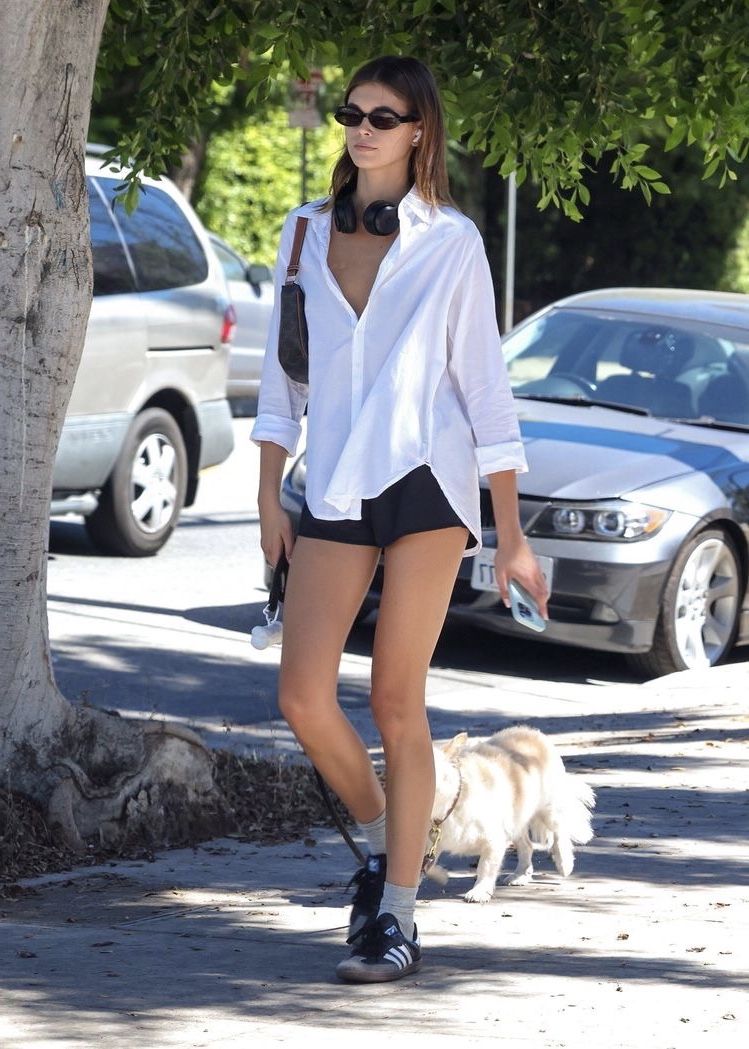
This is why the most expensive-looking people in ordinary life are often not the ones who look like they spent the most time getting ready. They are the ones who look like they have been wearing essentially the same thing, with minor variations, for years. The choices have settled into the person. The watch has scratches on the crystal. The shoes have softened into the walk. The shirt has been washed enough times that it sits on the body instead of on the hanger's memory of the body. The outfit does not look new. It looks resolved, and resolution is a more expensive quality than newness has ever been.
That is why paparazzi-style references still matter here. Motion reveals whether the look is structural or merely arranged. Outfits that only work while standing still tend to collapse the moment real life touches them. The test is not whether the outfit looks good in a mirror. The test is whether it still looks good thirty seconds after you have forgotten about it.
Why Quiet Luxury Is Usually The Wrong Shortcut
People reach for quiet luxury because they know it lives somewhere near the look they want. The problem is that it often turns the whole thing back into a coded performance.
Once the outfit starts leaning too hard on recognizable status cues, the right cashmere brand, the right loafer, the right discretely logoed bag, the effect changes. It may still look costly. It may even look polished. But it usually loses the colder, less eager quality that makes the strongest simple outfits feel so convincing in the first place.
The Loro Piana zip-up is the clearest recent example. It is an expensive garment. It signals taste within a specific world. But it has become so legible as a status marker that wearing one now says more about social positioning than about personal conviction. The outfit stops being about the wearer and starts being about the code. That is a different effect entirely.
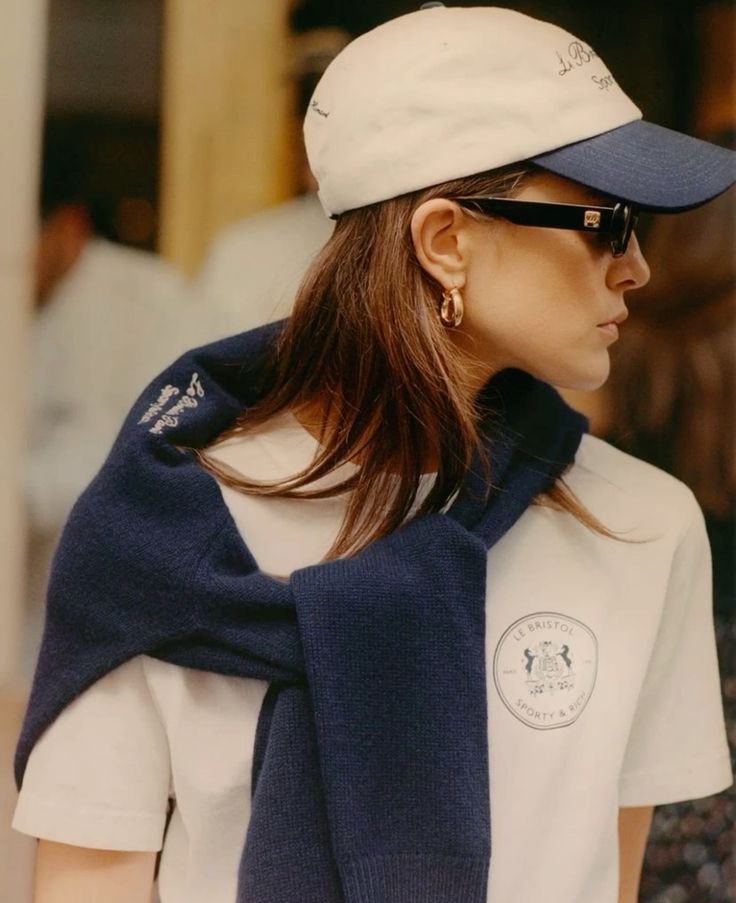
Branded discretion can work. The bigger issue is that expensive-looking ease depends on structure before social code. The line matters first. The fabric matters first. The edit matters first. If those things are weak, no amount of restrained luxury coding will repair the outfit.
This is the distinction most style coverage blurs. Clothes can be expensive, luxurious, and tasteful without producing the exact effect people are actually chasing when they say they want to look expensive without dressing up. The effect is less about price than about what the choices communicate.
What Separates Flat From Forceful
The easiest way to understand this effect is to watch it fail.
A simple outfit looks flat when the line is dead, the fabric is weak, the palette is quiet without being deliberate, and nothing in the outfit generates any visual force. Nothing is wrong enough to be interesting, and nothing is right enough to create conviction. It just sits there.
This is why the advice to "just wear basics" is almost always incomplete. Basics are not a solution. They are a setting where standards become more visible. A white t-shirt, dark trouser, and black flat can look either exact or completely forgettable depending on cut, density, and proportion alone. The same inventory produces both outcomes. The difference is whether each piece was chosen with enough certainty to survive standing alone.
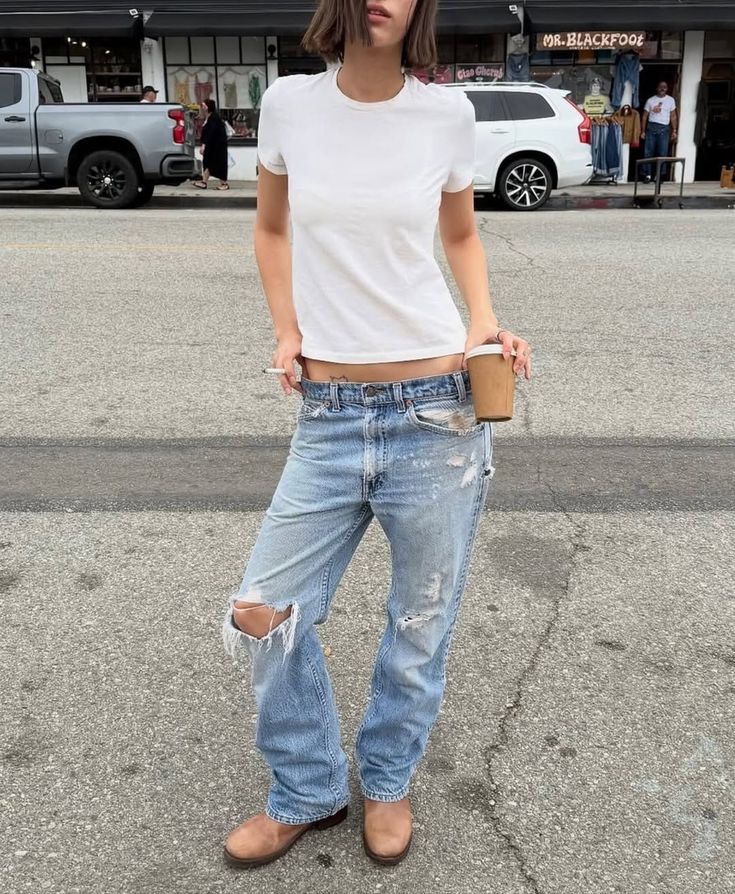
Plainness and restraint look similar from a distance. Up close, they feel entirely different. Plainness comes from an outfit where nothing was decided strongly enough to register. Restraint comes from an outfit that kept editing until only the strongest decisions remained. One reads empty. The other reads expensive. The distance between them has less to do with price than with intent.
The Difference Between Plain And Precise
That difference is probably the real subject here.
People think they want to look expensive, but what they often mean is that they want to look precise without looking overworked. They want the outfit to feel calm, selective, and fully decided. They want to walk out the door and have the clothes feel like they belong to the person wearing them rather than to the occasion, the trend, or the performance.
That is why dressing up is often the wrong route. Dressiness can create formality, glamour, or occasion, but it does not automatically create resolution. Some of the strongest expensive-looking outfits are built from shirts, trousers, knitwear, flats, and outerwear that would barely register on a hanger. They become convincing because every remaining decision was strong enough to survive being left mostly alone.
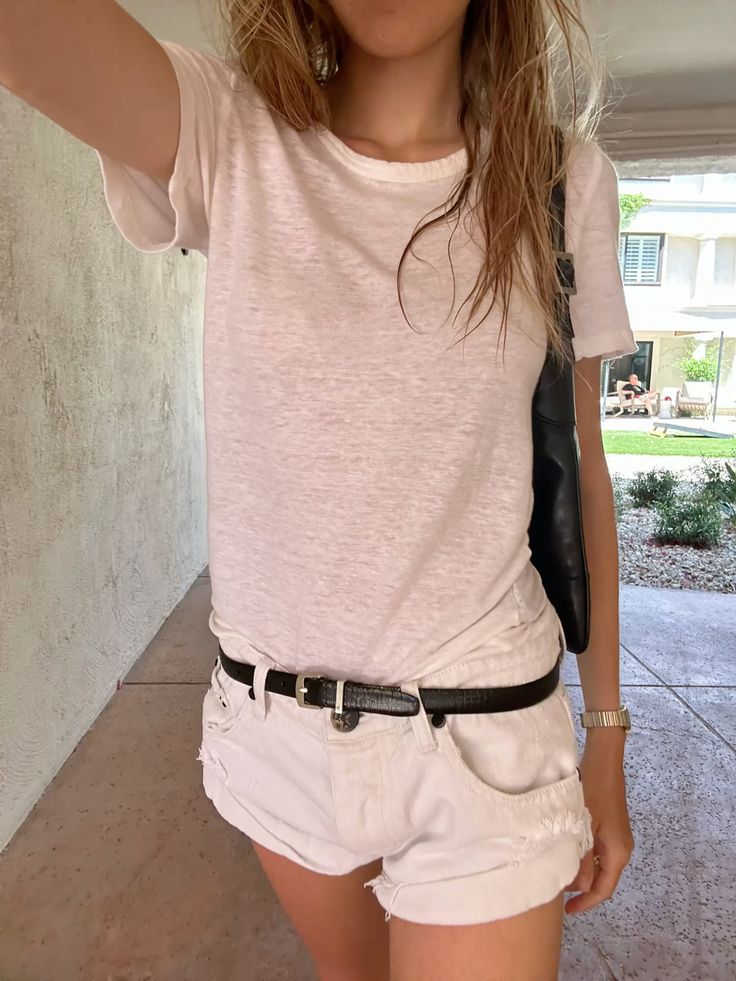
The effect does not depend on wealth, fashion knowledge, or even new clothes. It depends on a willingness to reduce until what remains is decisive, and then to stop.
That is the version of expensive that actually holds, the one that has already finished deciding before anyone else started looking.