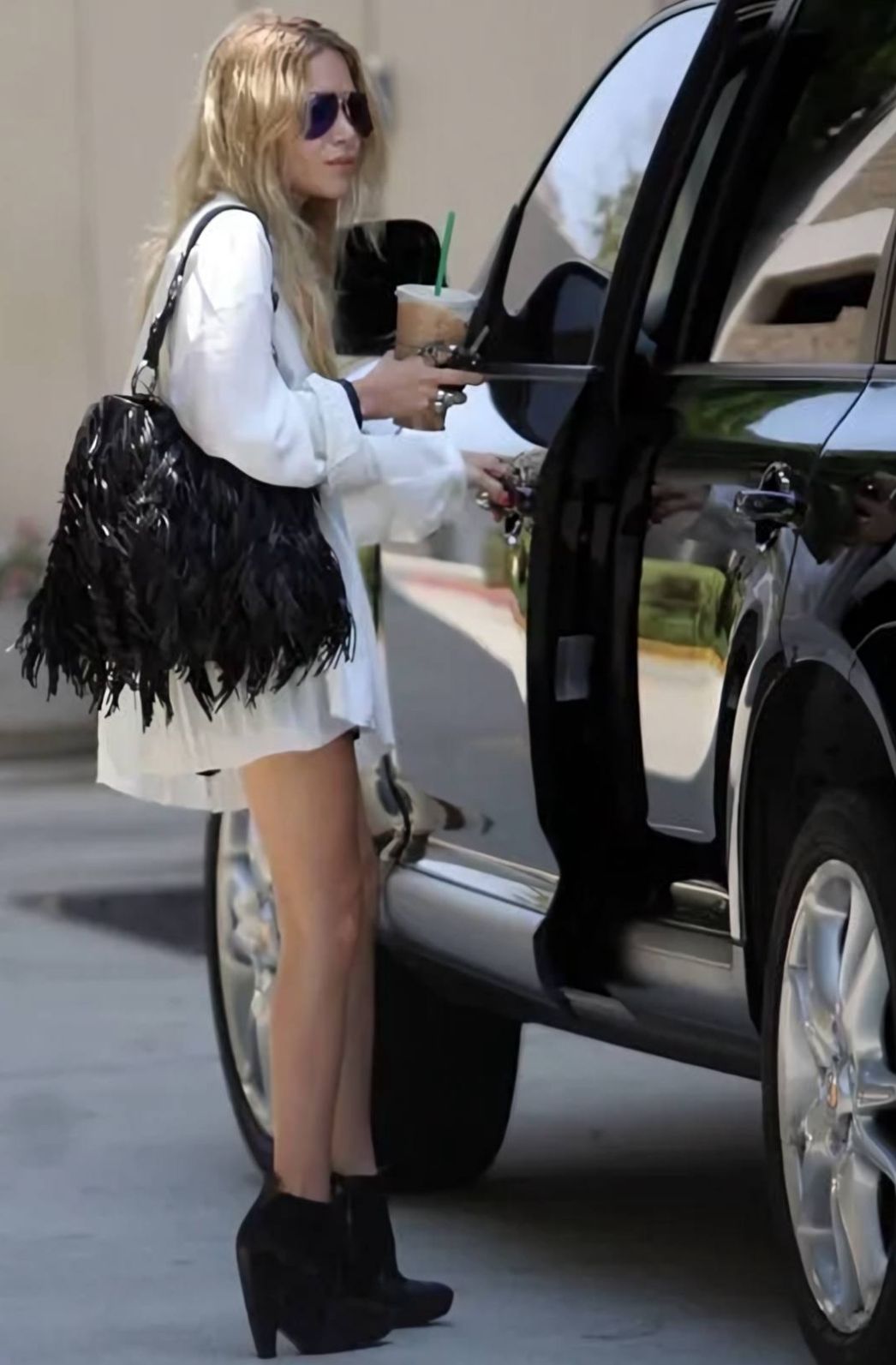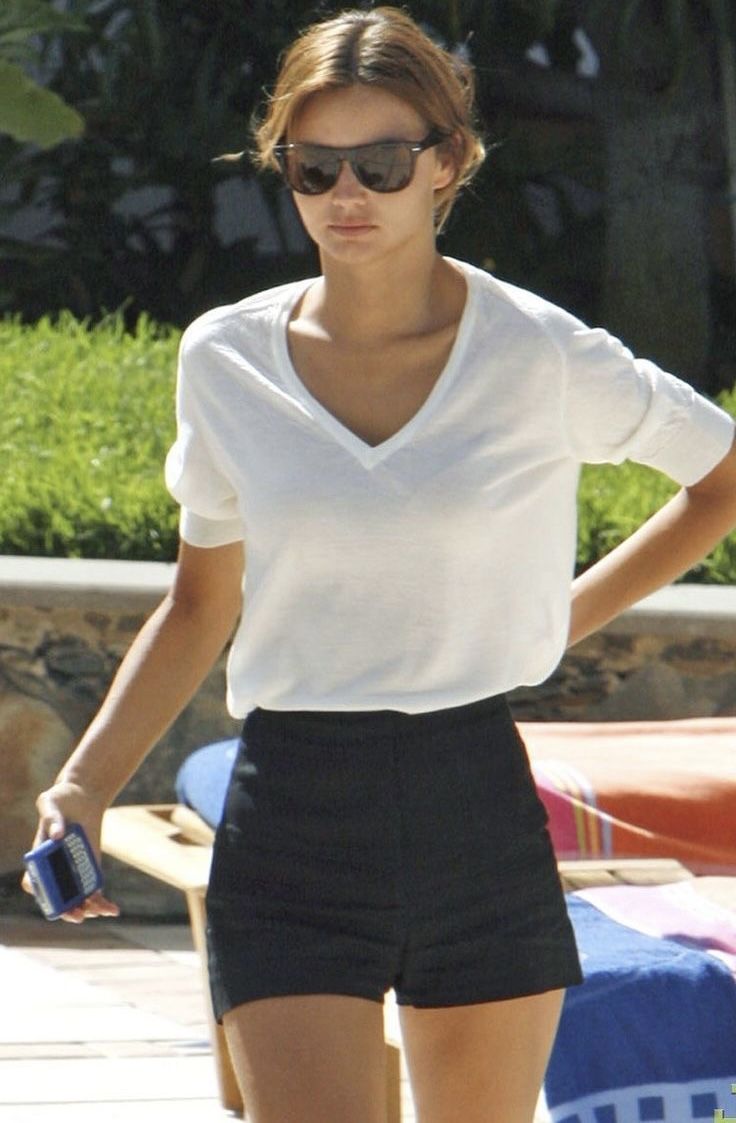
People say they want off-duty model style when what they usually mean is something slightly harder to admit.
They want an outfit that looks expensive without looking dressed up. They want taste without visible effort. They want polish without compliance. They want the mood of someone who could attract attention if she felt like it, but has chosen not to organize her clothes around that goal.
That is why the look keeps surviving every attempt to reduce it to a few recognizable pieces. The tank top matters. The jeans matter. The coat, the sunglasses, the flats, the leather jacket, all of that matters. The inventory matters less than the social meaning. If you want the more structural version of that inventory, The 90s Street Style Uniform breaks the look into the five roles that keep it coherent.
The off-duty model look reads as status, privacy, indifference, taste, and control all at once. It tells you something about the wearer before it tells you anything about fashion. Most style writing stops at the clothes. This is about what the clothes are saying.
It Looks Expensive Because It Refuses To Perform Expense
Most outfits that are trying to look expensive make the same mistake: they become too eager to prove it.
They polish themselves too thoroughly. The bag is too obvious. The shoe is too precious. The coat looks chosen for effect rather than use. Everything pushes in the same direction, and the result feels less luxurious than anxious, like wealth that has recently arrived and is not yet comfortable being quiet about itself.
The off-duty model look works differently. It signals ease around quality rather than wealth in the obvious sense. The clothes are simple but not dead. The fabrics hold a line. The jacket has shape. The denim falls correctly. The bag looks used rather than displayed.
Dressiness asks to be noticed. In this register, expense comes through nonchalance. The outfit suggests someone accustomed to good things, not someone auditioning for them. Most people can feel that distinction immediately even if they could not explain it cleanly.
Privacy Is Part Of The Appeal
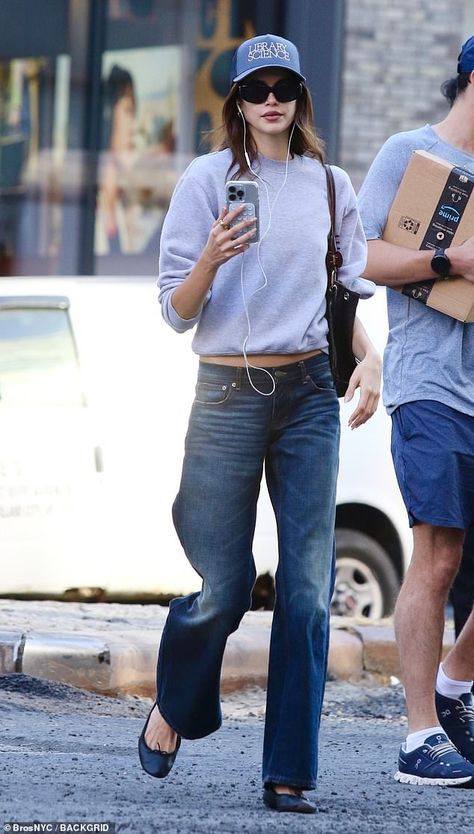
The off-duty model look is attractive partly because it withholds.
The sunglasses help. The closed jacket helps. The low emotional temperature of the whole thing helps. But even without those literal details, the outfit still tends to create distance. It does not explain itself. It does not make concessions for readability. It is not asking to be understood at a glance.
Part of what people are responding to is the feeling that the wearer has not arranged herself for public consumption. She may be visible, but she is not available. That is a different proposition than most dressing makes.
A look built around accessibility turns corny fast. Think of how quickly approachable styling dates. A look built around distance stays sharper because withholding never goes out of fashion.
Indifference Is The Status Signal
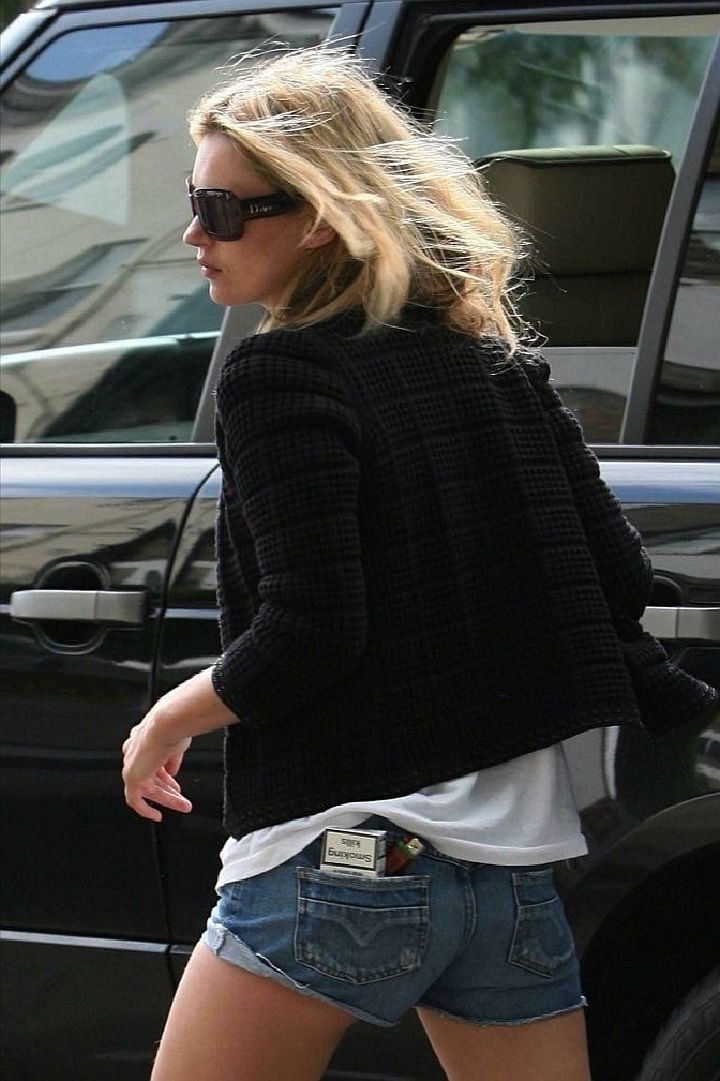
The look does not read powerful because it is loud. It reads powerful because it appears uninterested in asking permission.
There is a specific kind of indifference built into model-off-duty dressing. It is more precise than mess or carelessness. It feels like the absence of visible negotiation. The outfit does not seem to be working toward approval. It seems to have already decided.
That feeling of resolution is what people misdescribe as effortless. It is also why the look can seem more expensive than outfits containing far more overtly luxurious items. True status almost always signals itself through selectiveness, through what is left out as much as what is included.
The understanding is assumed rather than demonstrated. The outfit does not make its case. It simply arrives. That same refusal to overexplain is part of why 90s minimalism still feels so strong when the line and cloth are right.
Control Is Hidden Inside The Ease
This is the part that gets lost when people talk about the look as though it were just casual dressing worn by beautiful people.
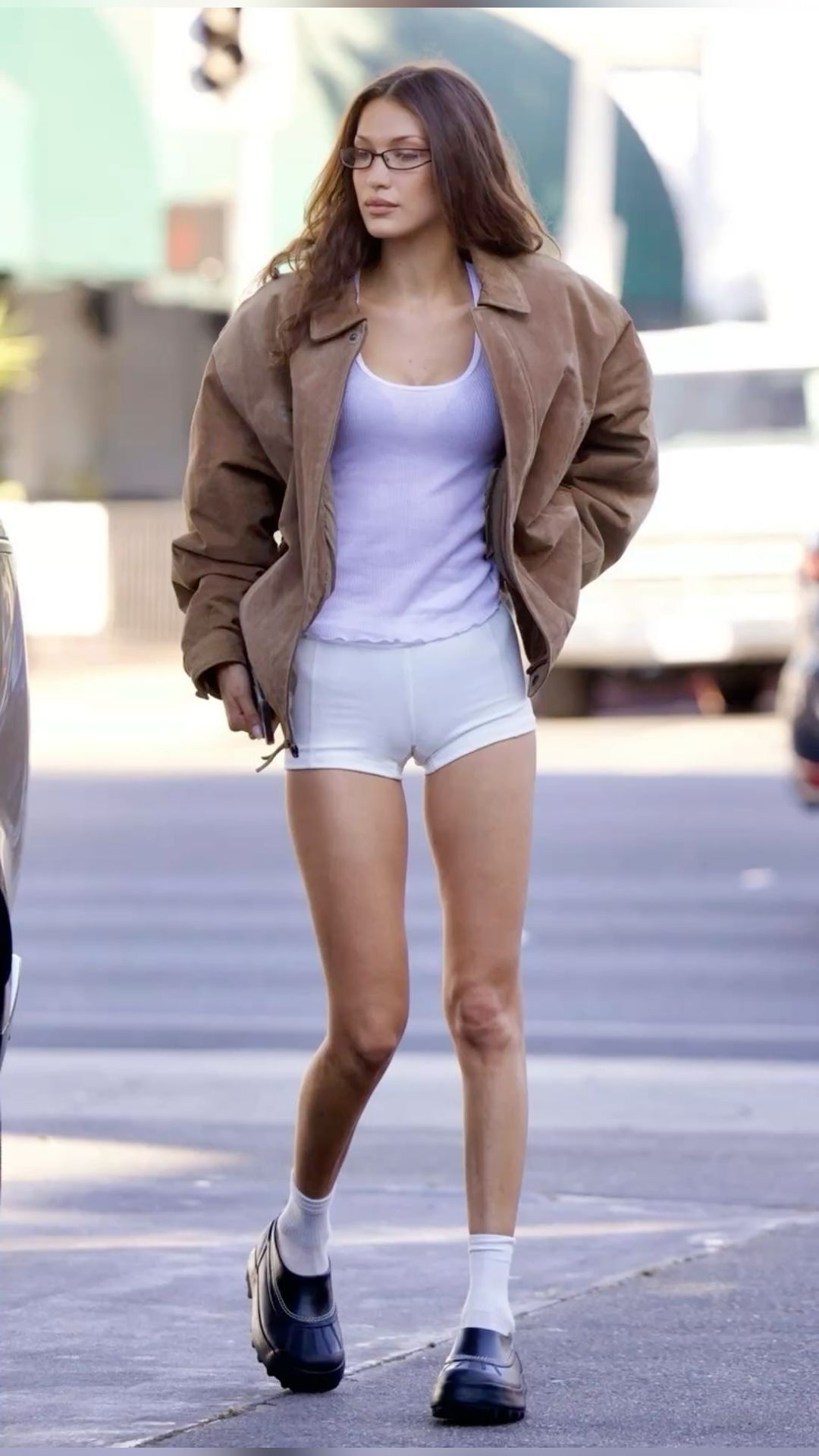
It is controlled, though the control is hidden in the line of the outfit rather than announced through overt styling. The coat hangs correctly. The trousers hold the shape down. The shoe keeps the look in real life. One accessory gives the whole thing a hard edge without turning it into a fashion statement.
The viewer does not have to consciously register any of this. They just read the result as someone who is in command of her image without seeming trapped inside it. That is a very specific effect to produce, and it depends on the structural logic, proportion, restraint, hierarchy, that runs underneath the social message. If you want that mechanics piece spelled out more directly, The 90s Street Style Uniform breaks the system into its working parts.
The social effect depends on the mechanics underneath it.
Why It Looks Better In Motion Than In The Mirror
Some looks are built for stillness. This one is built for movement.
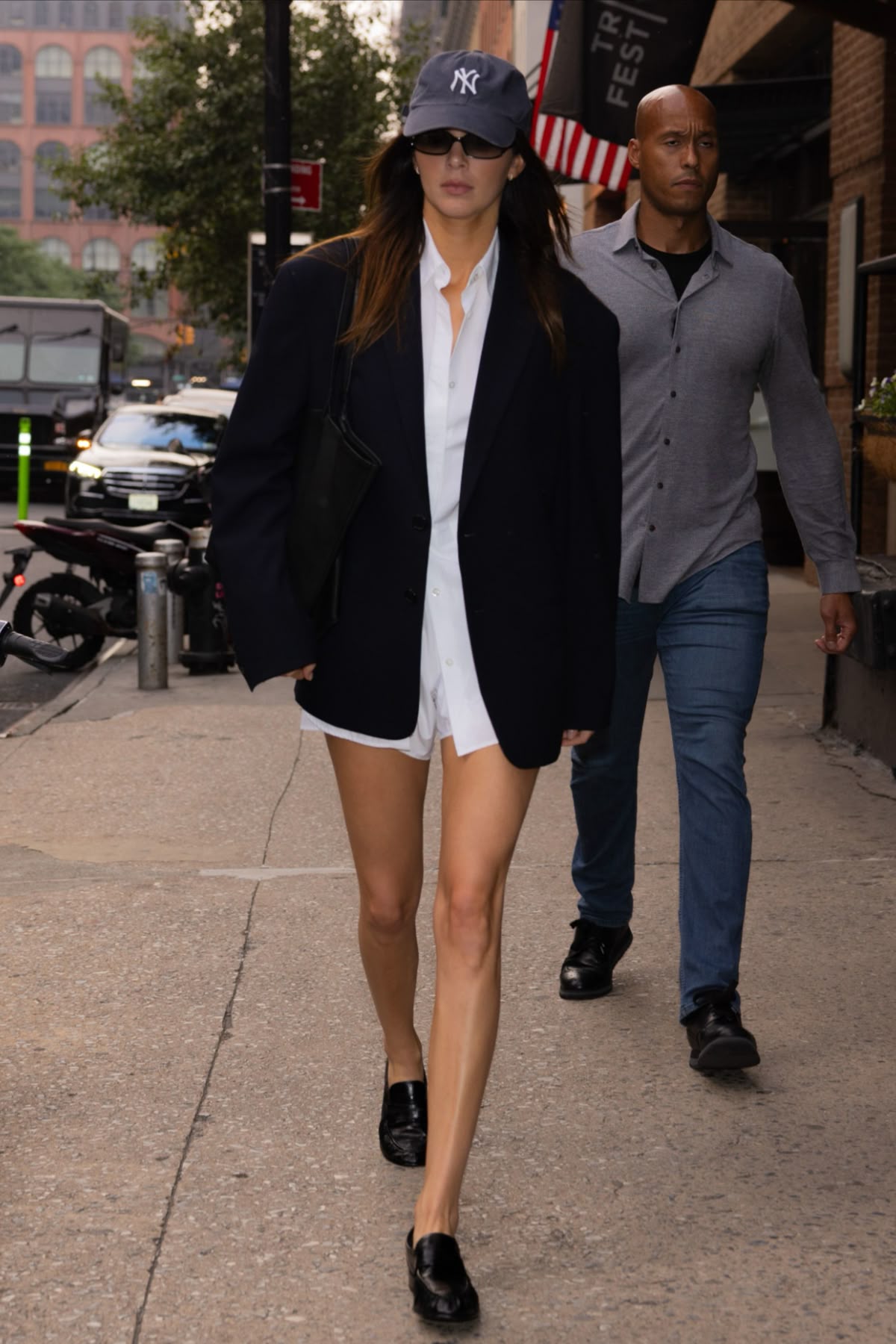
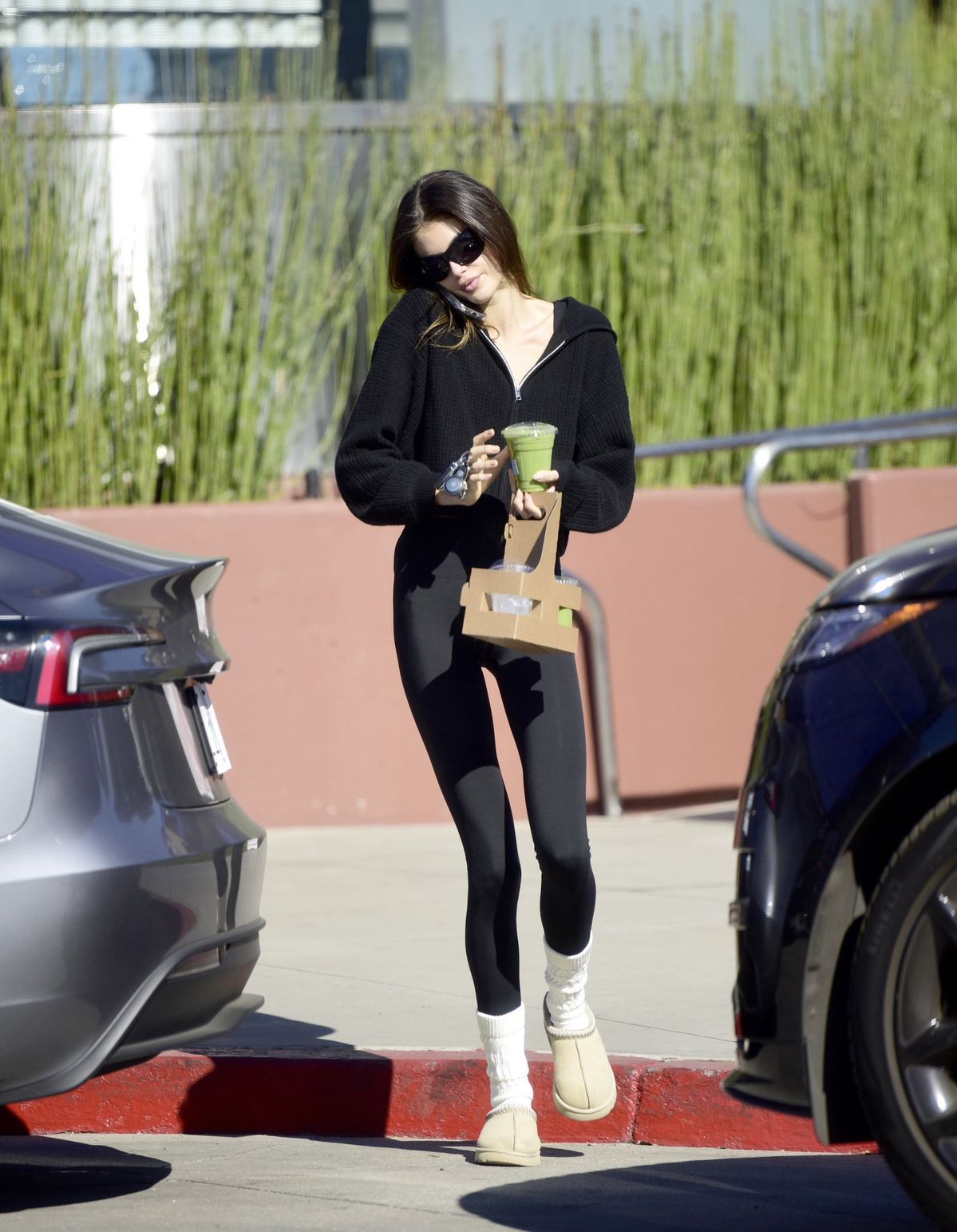
The off-duty model look reads best when the person appears to be on her way somewhere. Sidewalk, curb, hotel entrance, outside a show, getting into a car. The whole appeal depends on the idea that the outfit is accompanying a life rather than staging one.
In motion, the coat moves, the bag lands differently, the sunglasses stop reading as a prop, and the flat shoe stops being a styling choice and becomes part of the story.
Without that friction with real life, the look can just feel like editorial. It needs a real destination to become fully convincing.
Why Most Attempts Turn Costume Fast
Most failed versions of the off-duty model look collapse for the same reason: they substitute signifiers for self-possession.
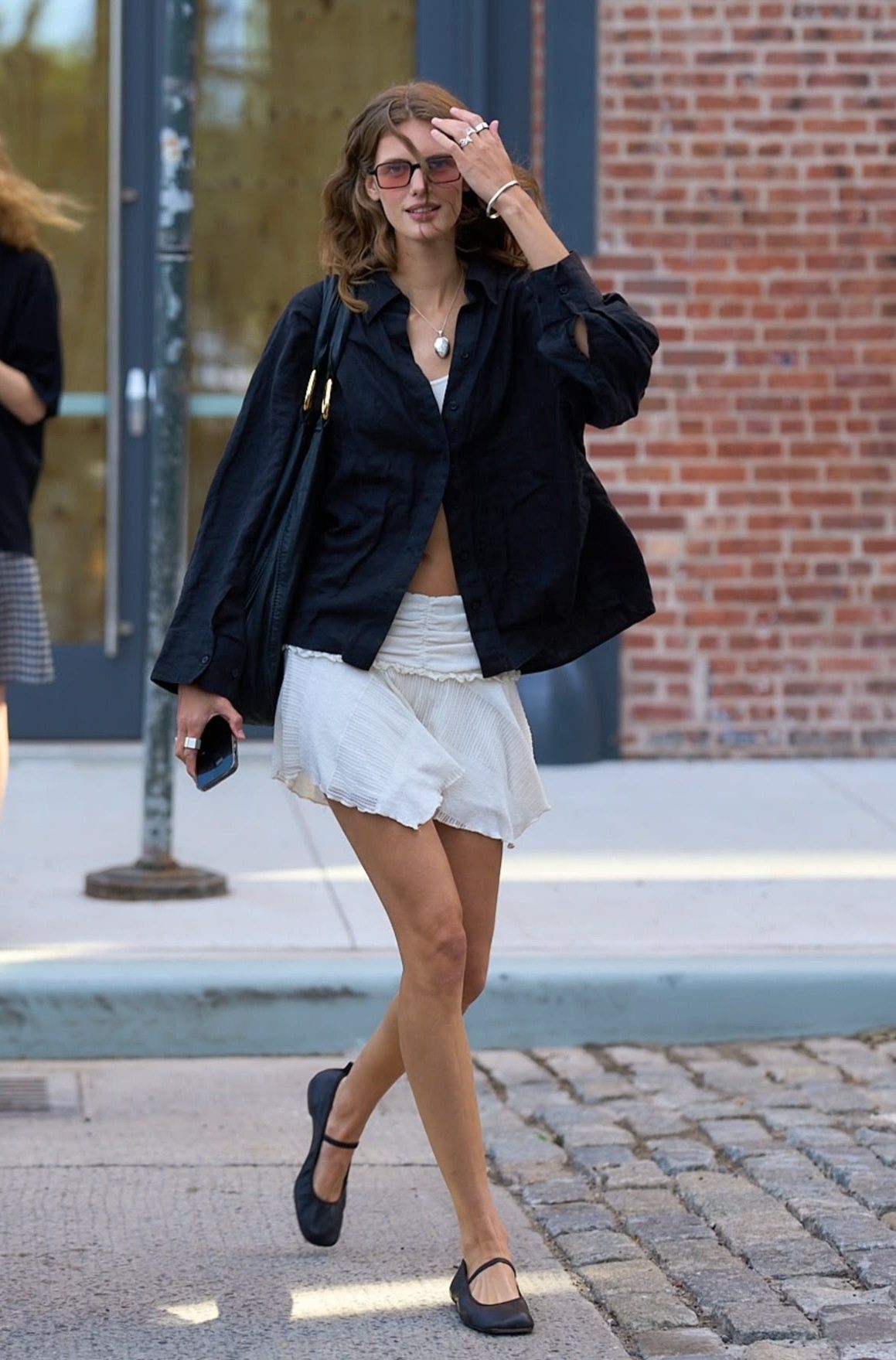
People reach for the culturally approved symbols. Tiny sunglasses. A leather jacket. A perfect tank. Vintage-looking denim. A narrow bag. Individually, none of those choices are wrong.
The problem is accumulation and intent. Once the outfit starts insisting too visibly on its references, once it becomes clear that the whole thing was assembled around an idea of how it should read, it loses the quality that made those references worth reaching for in the first place.
The original look read as private, selective, and unforced. The imitation reads as highly aware of being looked at. That gap is not closeable with better pieces. It is only closeable with less visible effort.
What The Look Means Now
Right now, the appeal of the off-duty model look feels slightly different than it did a decade ago.
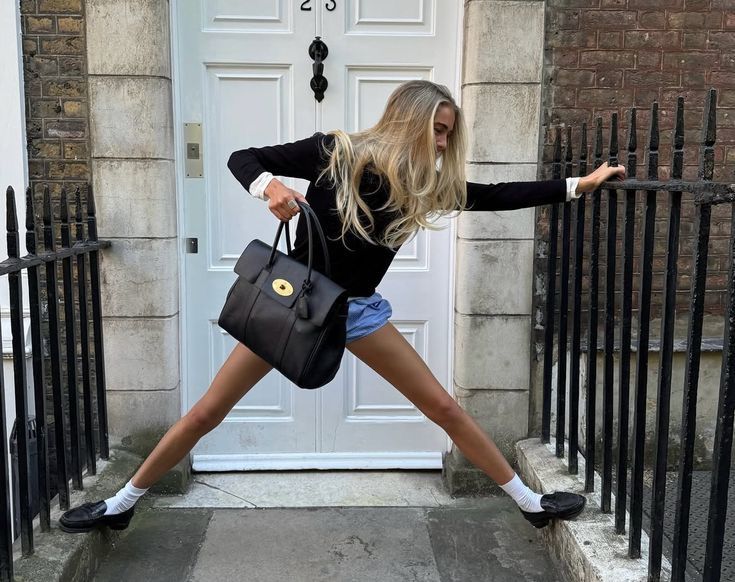
It no longer reads only as fashion-world shorthand. It also reads as an answer to a broader exhaustion with overstatement, with outfits that explain themselves too fully, with trend language as personality, with luxury communicated through logos or theatrical polish.
The cultural moment is oversaturated with things performing their own significance. The off-duty model look performs none of it.
What it proposes instead is that the most compelling person in the room may be the one who has edited hardest and disclosed least. The one who looks expensive not because she is decorated, but because she appears difficult to impress.
The Real Appeal
The real appeal of the off-duty model look goes beyond resembling a model off the clock.
It turns style into a language of restraint. Selectiveness over abundance. Control over display. Distance over friendliness. Dressing so well that dressing up starts to look insecure by comparison.
That is the seduction of it. The look promises a person who is self-possessed enough to underplay everything and still win on impact.
The pieces matter. The meaning is what lasts.