
People call 90s minimalism simple because they are looking at the result instead of the demand it made.
The real standard sat underneath. Once decoration, hardware, print, and visible styling pressure dropped away, the clothes had to stand on their own. The trouser line mattered more. The weight of the knit mattered more. The hem, the seam, the way a sleeve ended, all of it came into focus because there was so little else competing for attention. Fabric started carrying far more of the argument than most clothes are ever asked to carry.
That is why the best 90s minimalism still feels exact. The look was quiet, but the quiet had standards. It stripped the wardrobe back until cut, drape, proportion, and restraint were carrying the whole thing. If you want the more wearable off-duty system that sits nearby, The 90s Street Style Uniform shows how that same logic gets translated into everyday dressing.
People often remember the mood before they remember the mechanics. Carolyn Bessette-Kennedy in narrow black coats and column dresses that moved like they had been engineered rather than styled. Calvin Klein campaigns that looked like someone had swept all the furniture out of the room and dared the clothes to hold. Jil Sander collections where the line of a single wool coat carried more authority than entire editorials elsewhere. Gwyneth Paltrow in the years before celebrity dressing turned into a permanent performance. The pink Tom Ford at the ’99 Oscars gets remembered, but it was every off-duty moment in between, a white shirt and flat-front trousers doing more work than a red carpet gown ever could, that proved the point.
The memory is calm. The construction underneath it is exacting.
That is also why 90s minimalism keeps resurfacing whenever fashion gets tired of itself. The look offers a standard that trend-heavy cycles rarely sustain for long. Once the noise is gone, the clothes answer for themselves.
When The Cut Had To Do Everything
The cleanest way to understand 90s minimalism is to start with what it denied itself.
No pile of jewelry. No decorative trim. No novelty silhouette carrying the outfit through disruption alone. No loud print doing half the work. No surplus of references making the look feel richer than the clothes actually were.
That left the cut with very little cover.
A slip dress, the kind Carolyn Bessette-Kennedy wore in that ivory Narciso Rodriguez on her wedding day and then in quieter black versions on ordinary sidewalks for years afterward, could not rely on embellishment because there was none. The entire garment lived or died on the bias, on the way the fabric fell from the shoulder, on whether the hemline landed at the right point or drifted somewhere shapeless. A column skirt had to keep its own shape. A coat had to justify every inch from shoulder to hem without help.
Once the garment had so little to hide behind, proportion stopped being a supporting detail. It became the whole event.
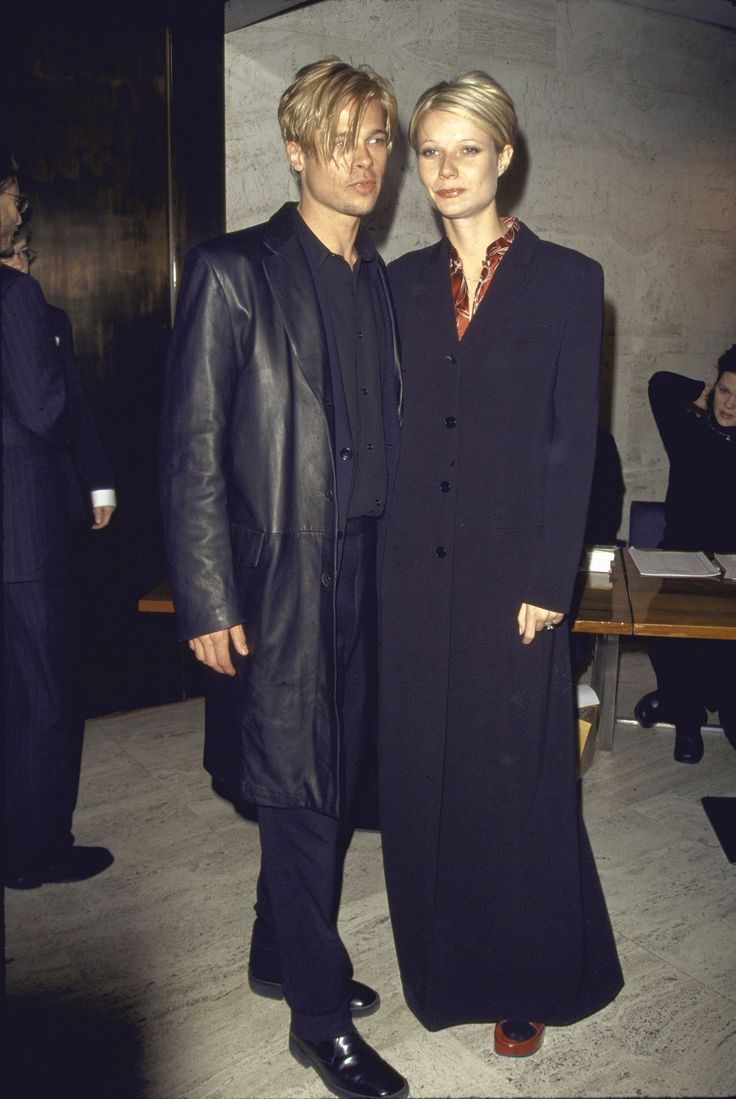
That is the part people still miss when they try to recreate the look now. They buy something plain and assume plainness will do the work for them. It does not. A plain garment with no conviction is just a weak garment with better lighting. The brilliance of 90s minimalism was how mercilessly it exposed bad clothes by refusing to clutter the frame around them.
That is one reason the best examples still hold up. A precise shape ages slowly. It does not depend on decoration to announce itself, so it has less to lose when decorative taste moves on.
Neutral Was A Decision, Not A Default
People still talk about neutrals as if they were the absence of a choice. In 90s minimalist fashion, they were often the sharpest choice in the room.
Black, cream, camel, grey, navy, bone, washed white. These were not there because the wearer had run out of ideas. They were there because color would have redirected the eye away from the thing the outfit actually wanted you to notice: line, fabric, proportion, and the conversation between surfaces.
Calvin Klein understood that instinctively. The clothes and campaigns of the decade worked through restriction. Cream knit against cream trouser. Black coat over black turtleneck. A narrow palette kept attention on weight, texture, and cut, the parts a louder wardrobe would have let you glide past.
A neutral palette in this system made the clothes harder to fake. Once color stepped back, the garment had to justify itself through tone, drape, and precision. A black coat had to be a good black coat. A cream cashmere crewneck needed the right density. A beige trouser had to fall correctly or the whole look went soft in the wrong direction, which in minimalism is the only direction that matters.

That is why neutral dressing still misfires so often. Beige and black do not manufacture sophistication on their own. They act more like a spotlight. When the cloth is cheap, the shape is dead, or the proportions drift, you notice quickly because the outfit has cleared the frame around the problem.
The 90s understood that neutral had to feel decided. It had to look as if color had been refused on principle, not forgotten by accident.
Fabric Became The Event
Once decoration dropped away and color quieted down, fabric became impossible to ignore. This is where 90s minimalist style either held or collapsed.
The original movement was textile-first. Jil Sander built entire collections around the authority of a single fabric: matte wool that held its crease without turning stiff, washed silk that fell cleanly, gabardine with enough weight to let a trouser break properly over the shoe. The clothes did not ask for attention. They earned it through surface and structure.
The idea itself was simple and unforgiving. Material was not background. Material carried the content.
That is why minimalism can register as expensive even when nothing in the outfit is overtly showy. The response is not about logos or ornament. It comes from the way the weight, surface, and fall of the garment feel deliberate all the way through. A wool coat with real body. A cashmere crewneck in a gauge heavy enough to hold a clean line rather than sag into a soft pile by midday. A silk camisole cut on the bias that actually moves the way the design intended instead of twisting sideways after twenty minutes.
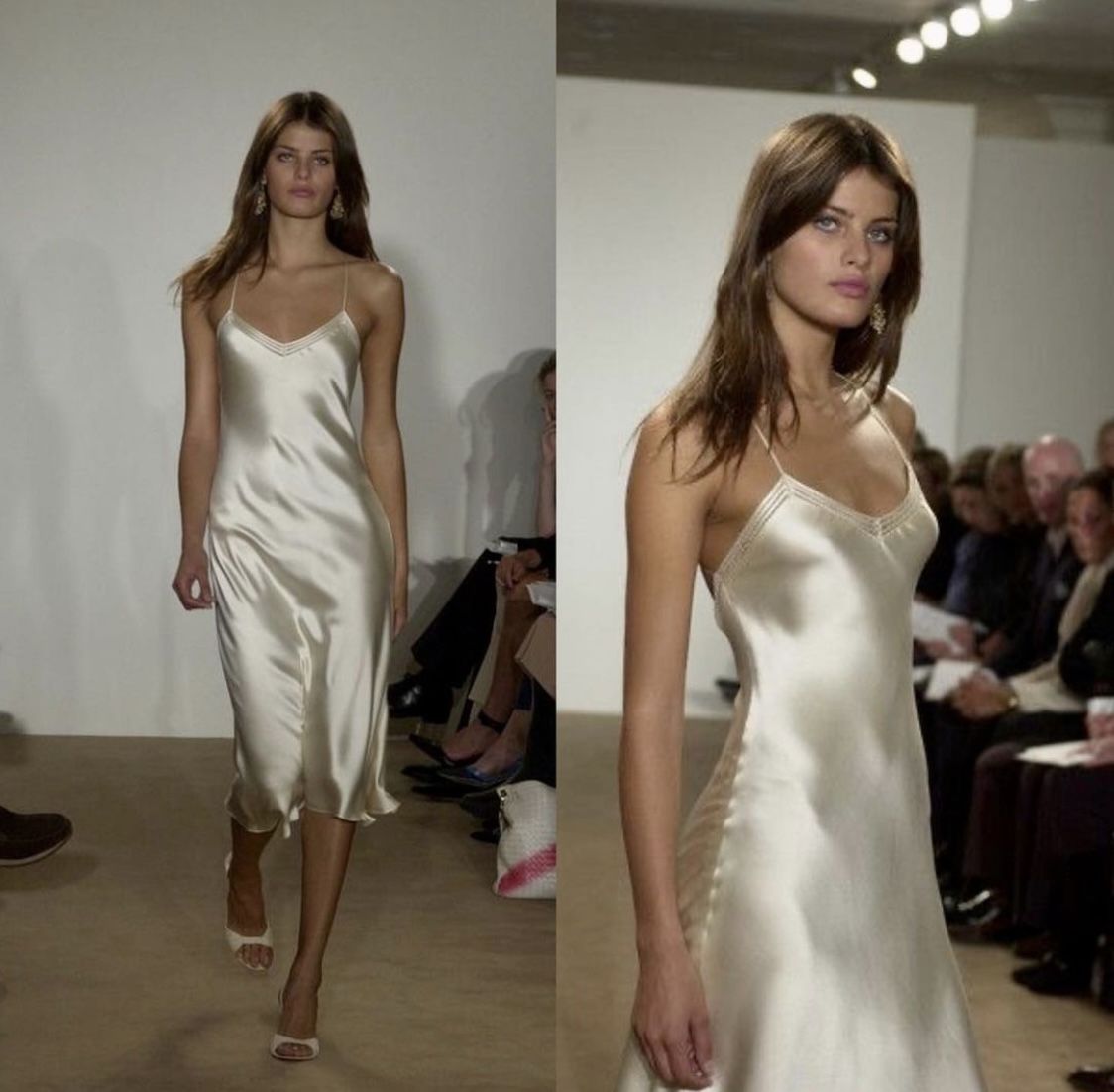
This is also why 90s minimalism has very little to do with cheap basics, even though people still confuse the two. Cheap clothes usually need help. They need layering, irony, accessories, or styling clutter because the fabric has no authority on its own. This look removed that support and made the cloth answer for itself.
Once fabric became the event, every shortcut showed.
The Column Line
If there is a single silhouette that explains the visual logic of 90s minimalism, it is the column.
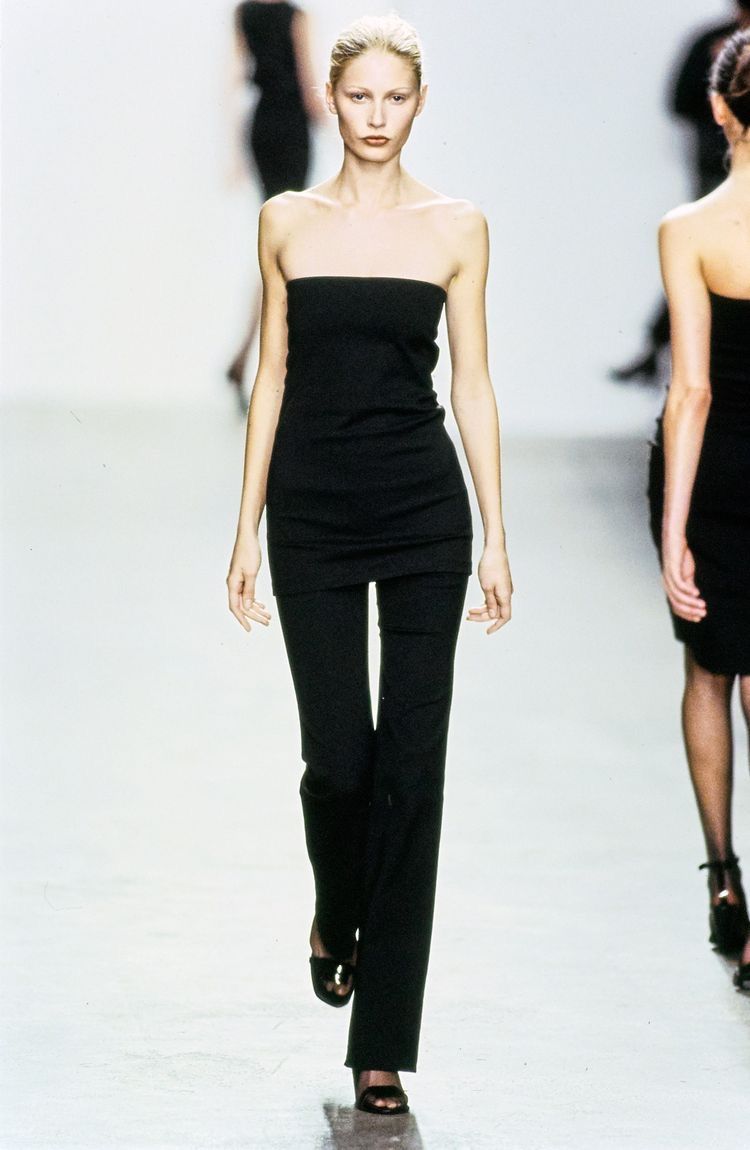
Long, clean, uninterrupted. You see it in slip dresses, narrow skirts, straight trousers, long coats, close suiting, and outerwear that extends the frame instead of breaking it into smaller units. Even when the clothes were not literally columnar, they still leaned toward continuity.
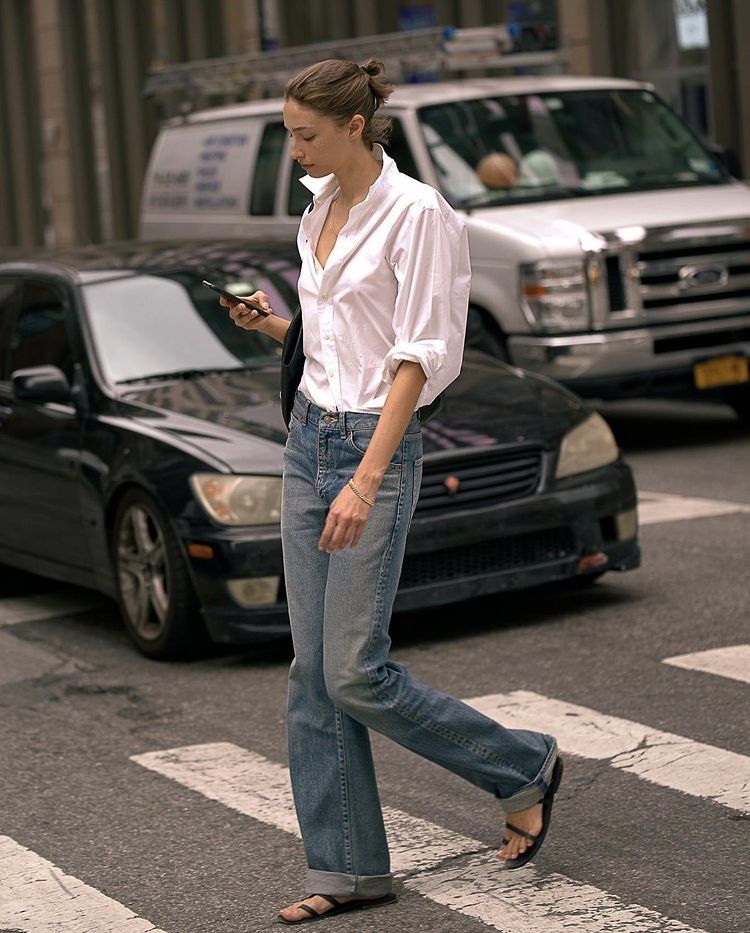
Gwyneth Paltrow's strongest off-duty images from the period worked this way. White shirt, flat-front trousers, flat shoes, little or no visible jewelry. The eye could move from shoulder to shoe without getting bounced around by details. That is part of why those pictures still feel current.
A broken silhouette generates energy through opposition, one element sharpening against the next. The column generates force through steadiness. It asks the eye to stay with one movement rather than jumping. That is why the look feels calm, and also why it can feel almost impossible to improve once it is right. There is nowhere extra for the eye to go, and nowhere for a weak choice to hide.
The column remains such a durable shorthand for seriousness in dress because it keeps the eye on one decision at a time. The line has to carry the look.
Where Modern Minimalism Goes Flat
The look has returned several times since the 90s, and most revivals repeat the same mistake. They reproduce the outline without inheriting the rigor.
People pull the easiest signals from the archive. Neutral palette. Simple shapes. Few accessories. Clean hair. The surface comes back. The force does not.
The problem usually sits in the difference between blankness and reduction. Blankness is what you get when things are removed and nothing strong replaces them. Reduction is what happens when things are removed and the remaining choices become more precise.
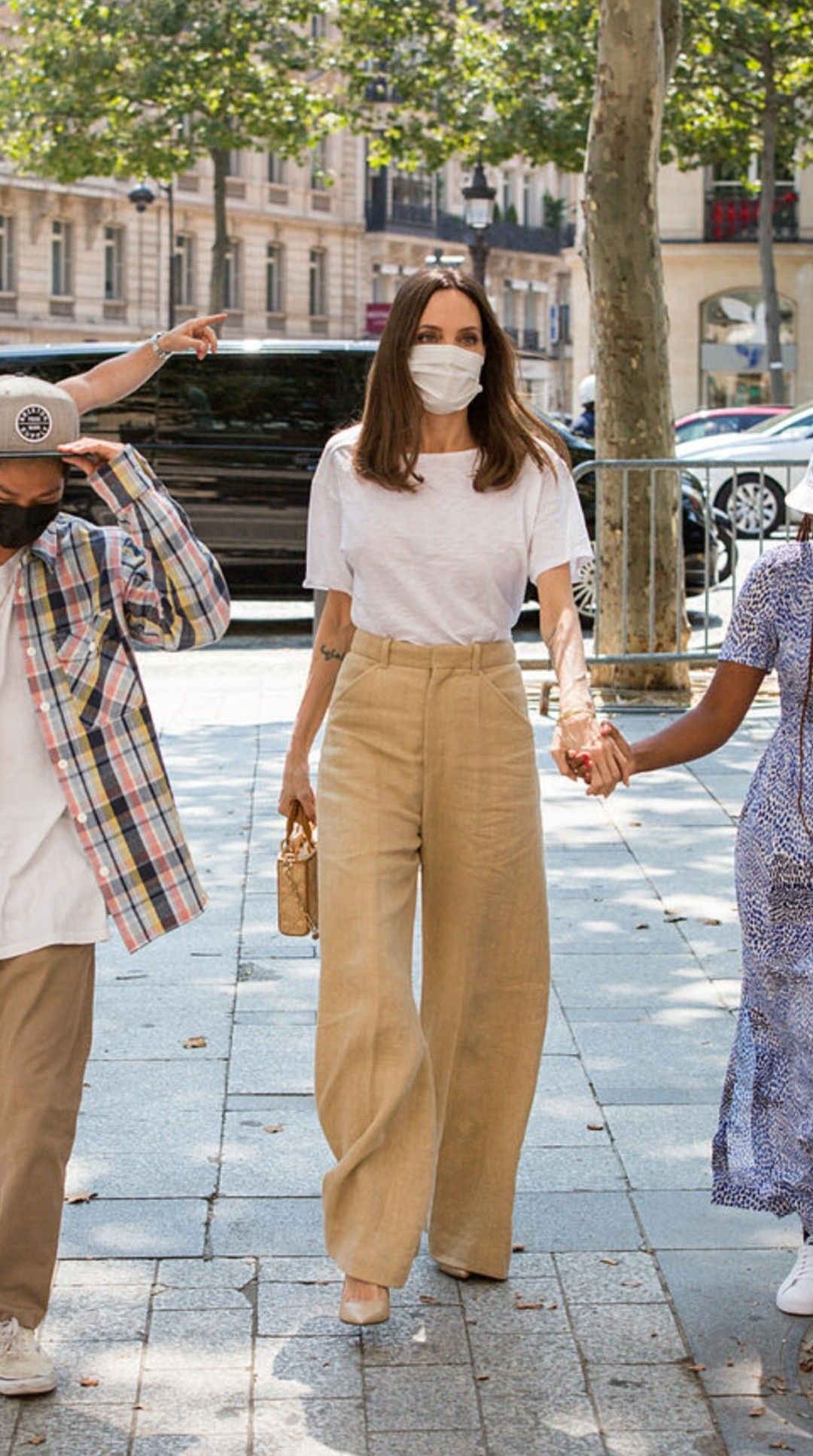
A beige linen set that hangs like sleepwear is blankness. A beige wool set with a trouser that holds a crease and a blazer that closes cleanly is reduction. Price can matter here, but construction matters more. The question is whether the garment was built to stand on its own.
The 90s version worked because it never lowered the standard after taking the styling away. Once the noise disappeared, the clothes themselves became the whole argument. If the knit sagged, the shoe felt like an afterthought, the bag strained too hard, or the coat lost its line, the weakness stayed visible.
That is the paradox most modern attempts never solve: the fewer elements you use, the more each one has to carry. Getting dressed in fewer things makes the job louder, not smaller.
90s Minimalism vs Quiet Luxury
This comparison matters because the two keep getting folded into each other.
Quiet luxury, in its current form, still operates inside a code. It wants the viewer to recognize what quality looks like, what good taste costs, what restrained brand language signals to someone fluent in the same signals. The Row, Loro Piana, Brunello Cucinelli. These brands speak softly, but they are still speaking to someone specific, and that someone is meant to understand what they are hearing.
90s minimalism put more weight on formal clarity. Its strength came from what had been removed. The authority of a Calvin Klein column dress or a Jil Sander wool coat lived in line, cloth, scale, and composure.
The social meaning that later attached to these clothes (the status, the privacy, the distance that reads as control) is a separate question. Here, the point is simpler: the old minimalist clothes held up even before anyone started reading status into them.
That is why the old images often feel cleaner than current luxury dressing. They are less burdened by explanation. Quiet luxury can still drift into a kind of polished reassurance. Everything is going to be fine, the outfit seems to say. Look how good the wool is. 90s minimalism, at its best, was colder than that, less interested in reassuring anyone, more interested in whether the cloth could hold.
Why It Still Looks Modern
Minimalism keeps returning for the same reason white walls keep returning. Every era gets tired of clutter and starts craving a room where every object has to justify itself.
Fashion moves through the same exhaustion. One period overproduces statement, novelty, explanation, personality, and noise. The next one starts looking for cleaner surfaces, longer lines, fewer interruptions, and some relief from outfits that narrate themselves too aggressively.
The 90s had that reaction after the 80s. We are living through our own version after years of trend churn, algorithmic styling, logo re-expansion, and the quiet pressure for every outfit to narrate itself immediately to a camera that may or may not be watching.
That is why 90s minimalism still looks modern. Not because it belongs to some flattering abstract category called timelessness (a word people reach for when they mean I like this and cannot explain why) but because reduction is a recurring answer to visual fatigue.
The old images survive pressure well. They do not lean on period gimmicks to retain their force. They still stand up on line, cloth, proportion, and edit.
The Standard That Stays
The lasting lesson of 90s minimalism is the standard it set. Less was only the visible result. When people respond to stripped-down dressing as expensive, distant, or controlled, they are often responding to the same social logic described in Off-Duty Model Style.
Once distraction leaves the frame, the remaining choices become more exposed and more demanding. The coat has to hold. The knit has to hold. The trouser has to hold. The shoe, the bag, the seam line, the drape, all of it has to survive with very little cover.
That is why the style still feels strong. Quietness is doing real work here because the clothes underneath it are doing real work too.
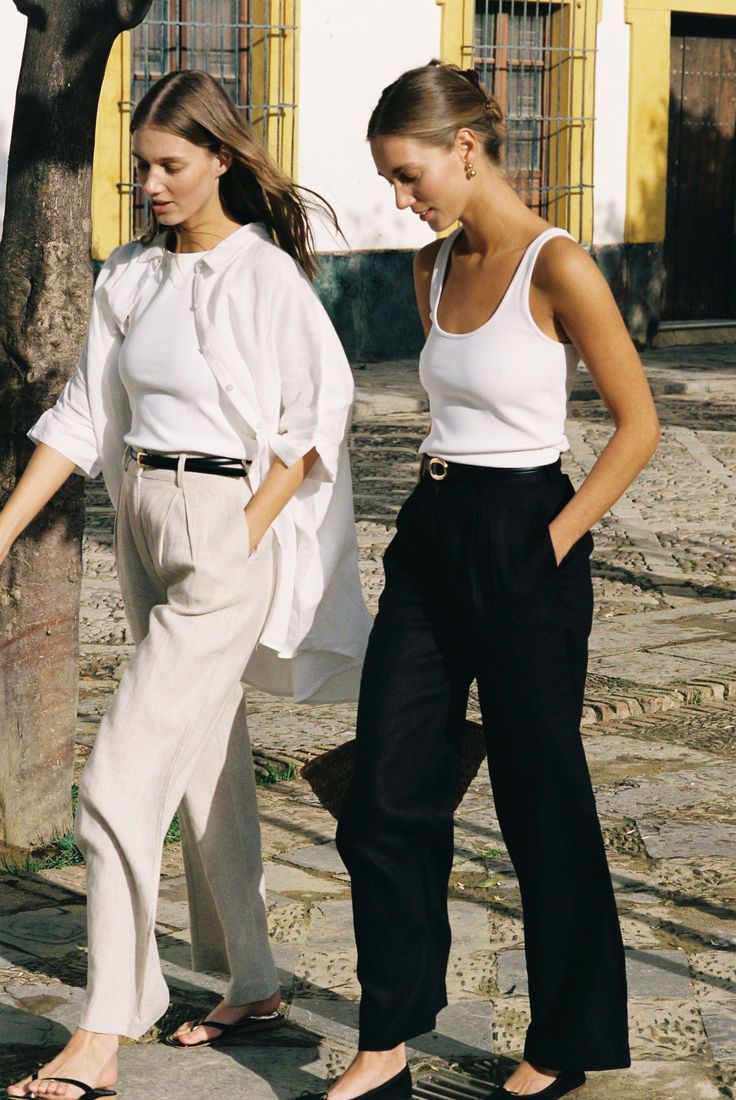
People keep returning to 90s minimalism because it asks more of everything that remains. The wardrobe gets smaller, but the standard only gets louder.